
Close
by Lizzie Von Green | May 11, 2026
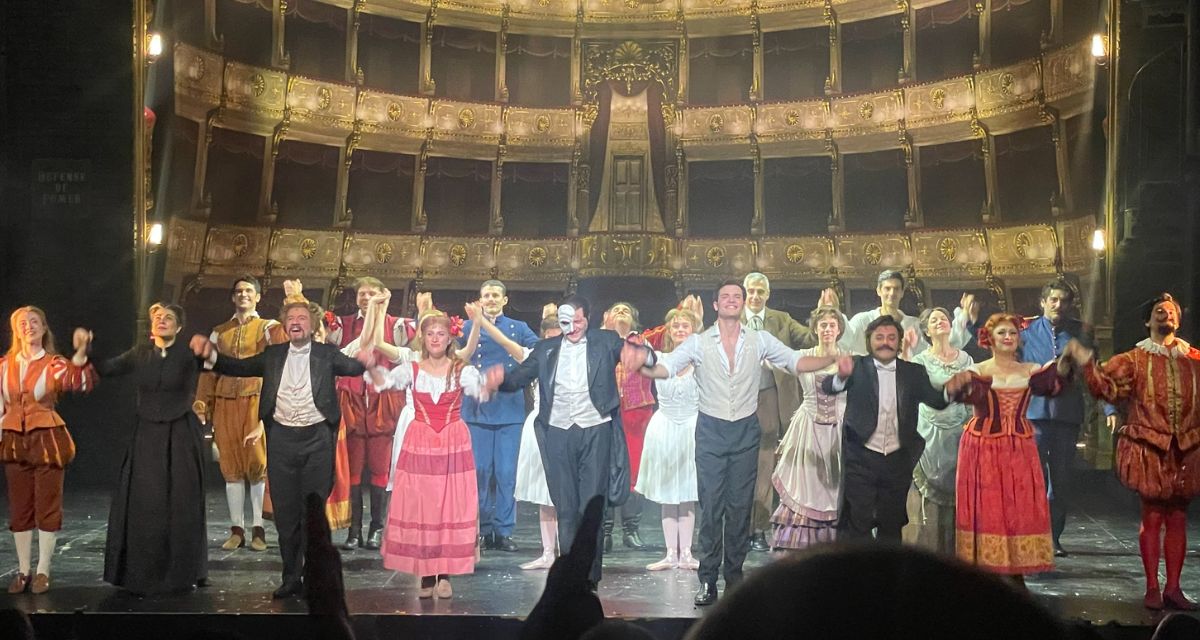
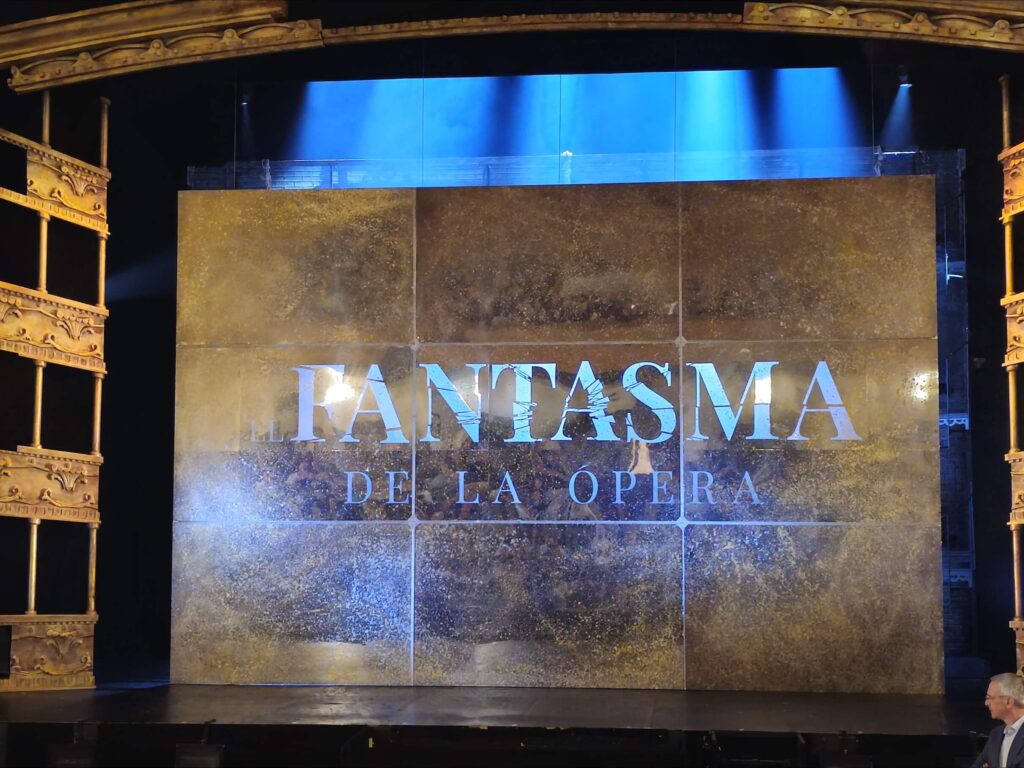
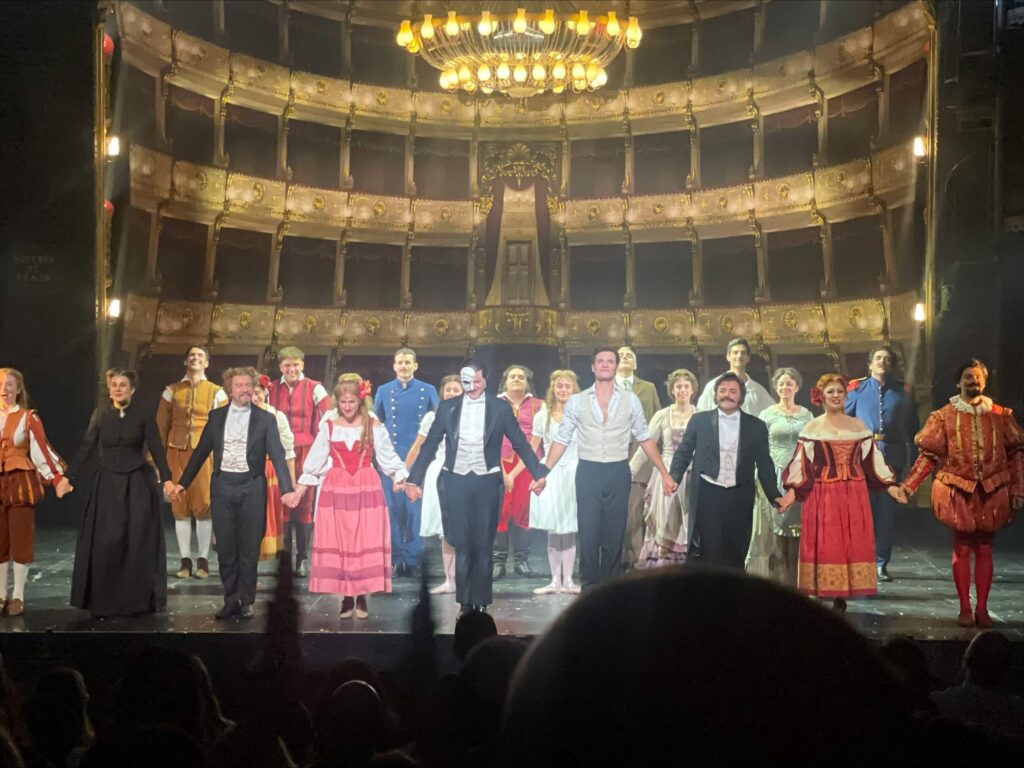
The Phantom of the Opera arrived in Murcia with a performance that reaffirmed why it remains one of the most iconic works in modern musical theatre. On stage at the Auditorio Víctor Villegas, the production drew an engaged audience from the very first notes of the overture, fully immersed in its dark and atmospheric world.
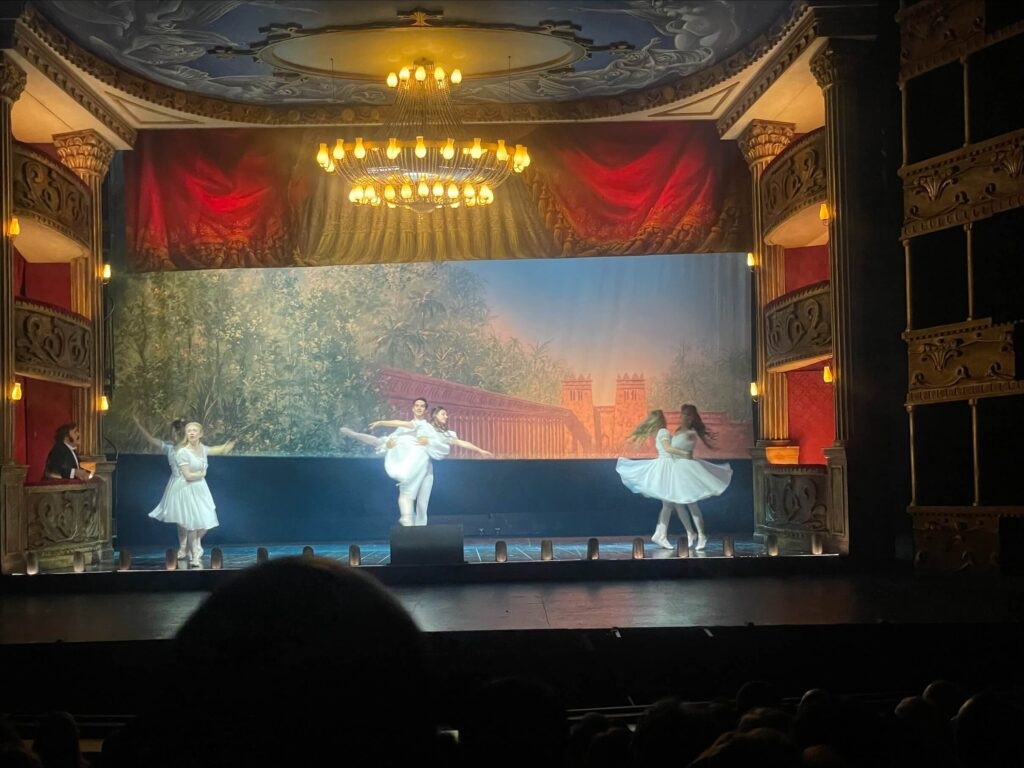
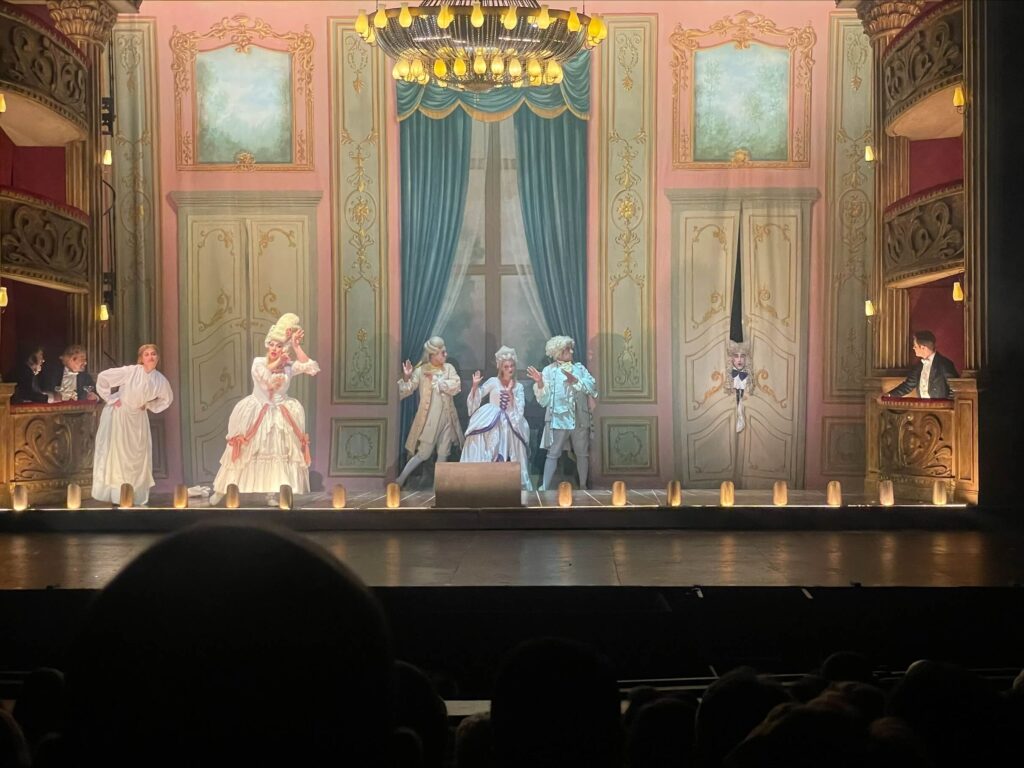
From the outset, the show establishes its universe with precision: the decaying Paris Opera House, the constant play of shadows, and a sense of mystery that runs throughout the story. The audience in Murcia followed each scene with focused attention, aware they were witnessing a large-scale touring production.
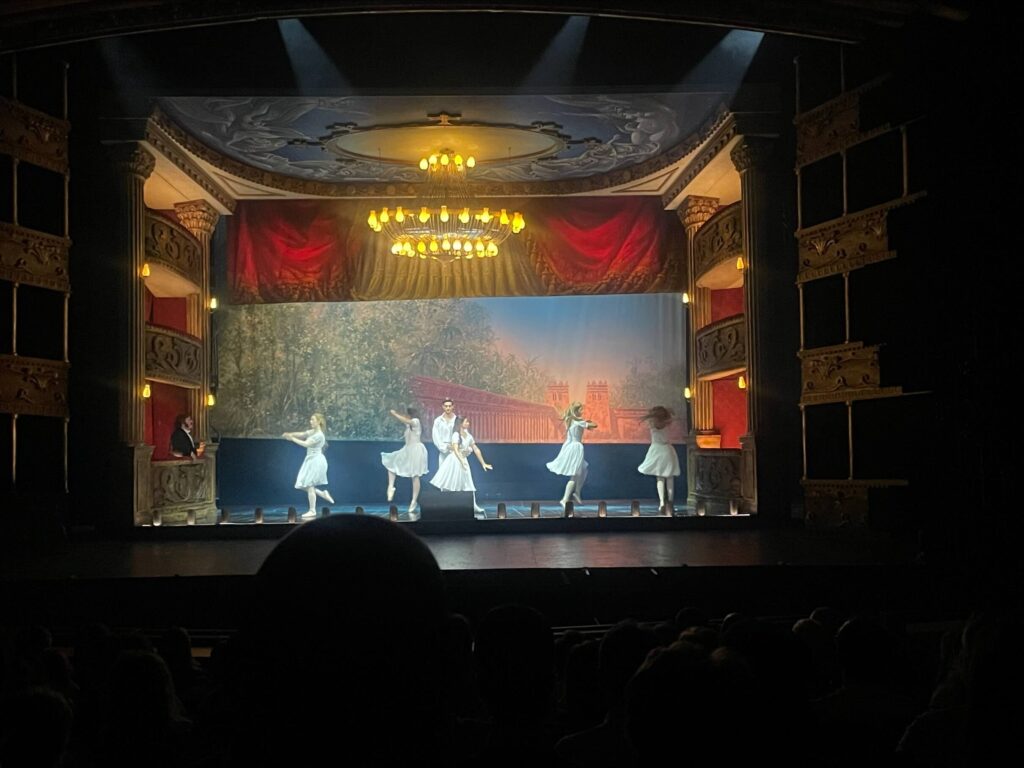
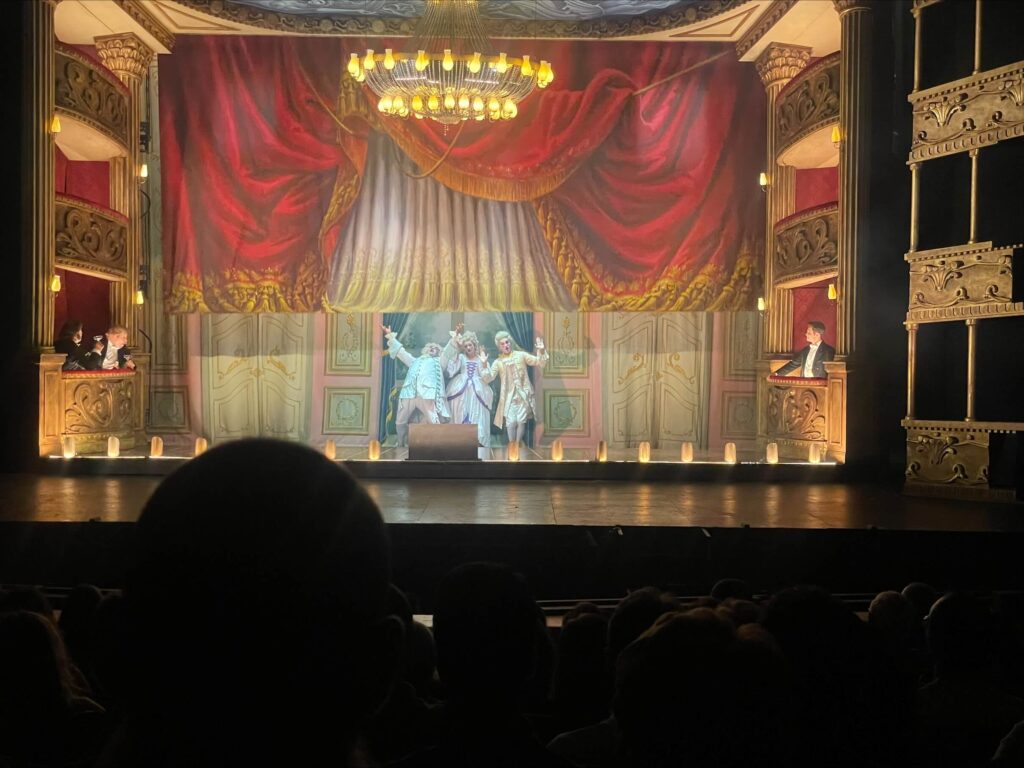
The set design, faithful to the musical’s classic imagery, stood out for its grandeur and its carefully crafted lighting, which enhances both intimate moments and the most visually striking scenes.
As the Phantom, Daniel Diges delivered a strong and physically committed performance, with a confident vocal presence in the most demanding dramatic moments. His stage presence carries much of the emotional weight of the show, shifting effectively between intensity and vulnerability.
Alba Roben, as Christine Daaé, anchored the emotional core of the evening. Her vocal progression throughout the performance strengthened the character’s arc, especially in the more introspective numbers where delicacy and control were key.
Rubén López, as Raoul, provided balance to the central triangle with a more restrained interpretation that works as a contrast to the Phantom’s emotional intensity.
In supporting roles, Marta Pineda stood out as Carlotta, embracing the character’s theatrical excess without disrupting the overall rhythm. Fran León (Piangi), along with Eduardo Santamaría (André) and Enrique R. del Portal (Firmin), delivered solid performances that support the structure of the production.
Irene Barrios (Madame Giry) and Sofía Esteve (Meg) completed the cast with precise and effective contributions that enrich the emotional fabric of the story.
One of the highlights of the evening was its technical execution. The moving set pieces, transitions, and the iconic chandelier retain their full visual impact. Lighting design plays a crucial role in reinforcing the contrast between romance and darkness that defines the musical.
The orchestra provides a steady and well-balanced interpretation of the score, supporting key moments such as “The Music of the Night” and “Masquerade”, both of which were met with focused attention from the audience.
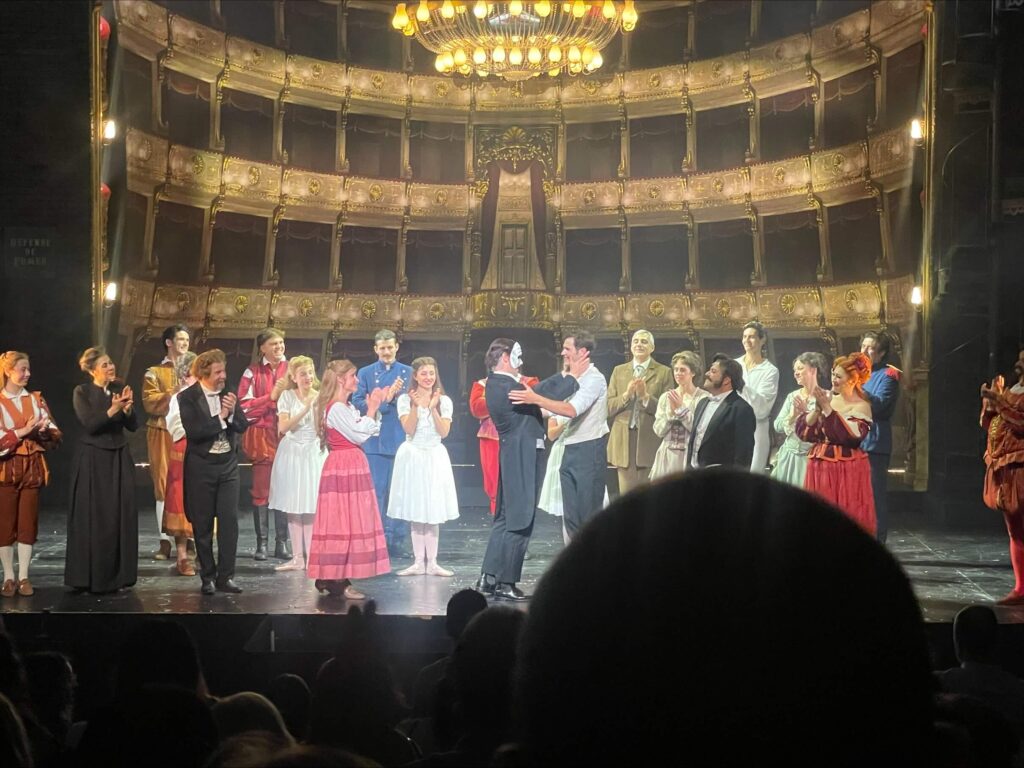
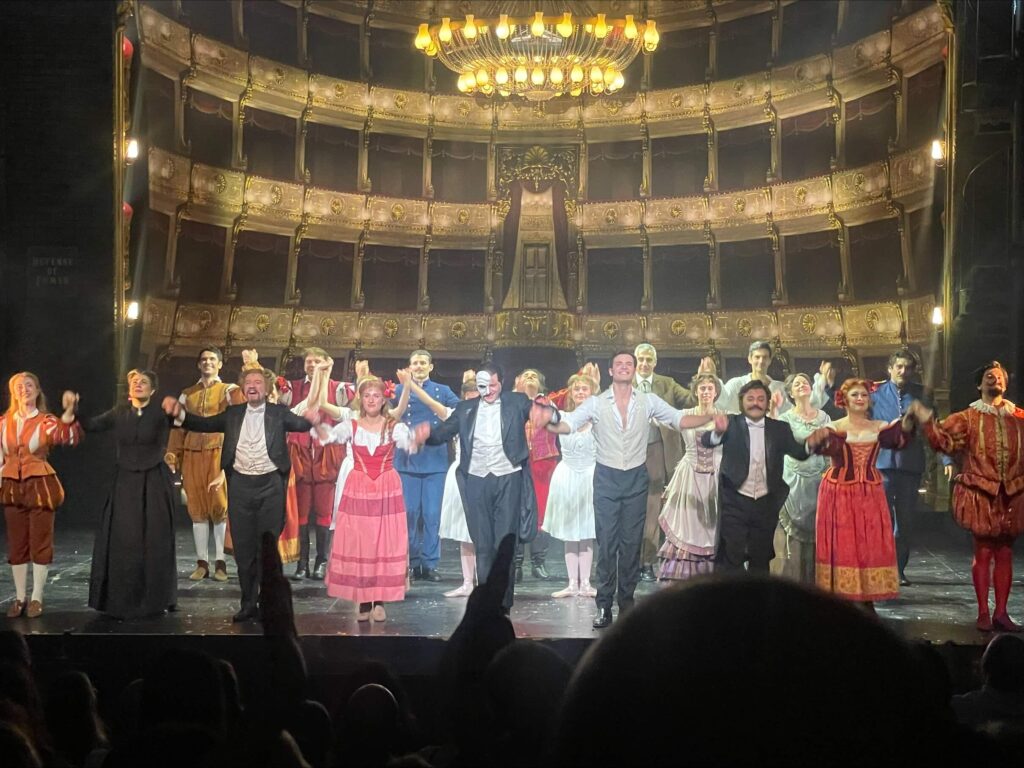
The audience reaction in Murcia built gradually, moving from attentive silence during the most intimate scenes to a unanimous standing ovation at the final curtain call. The strongest applause was reserved for the leading cast, who received a warm and sustained response.

Tour dates:
📍 Murcia — 7 – 10 may 2026
📍 Córdoba — 15 – 24 may 2026
📍 Málaga — 3 jul – 9 ago 2026
📍 Zaragoza — 7 – 18 oct 2026
📍 Alicante — 19 nov – 6 dic 2026
📍 Tenerife — 29 dic 2026 – 3 ene 2027
📍 Gran Canaria — 7 – 24 ene 2027

























0 Comments