
Close
by Vanessa K | Oct 14, 2026
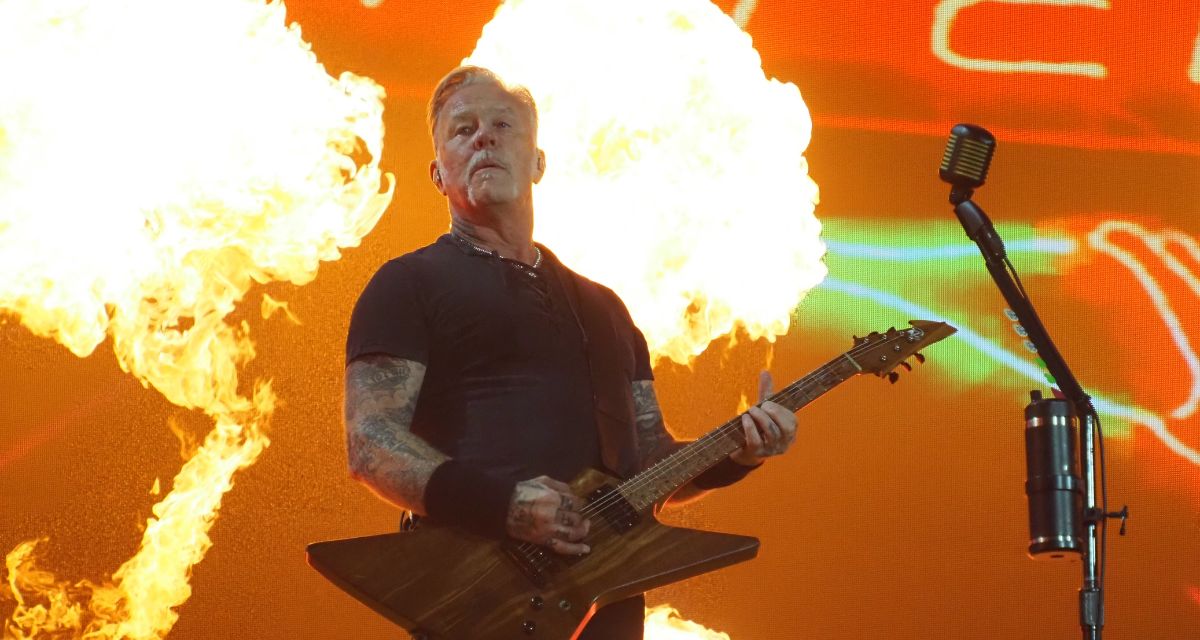
First, let me start by saying that Metallica are one of my favorite bands of all time, and their music has always given me strength and motivation, as well as entertainment. Sharon Osbourne, who the title is also taking a little dig at, is another person I greatly admire. Her perseverance, sharp business sense, and trailblazing force in the music industry have earned my respect. But being a dedicated fan does not mean blindly agreeing with everything someone says, and being a legendary musician or industry figure does not make you immune to criticism when you say something shallow, foolish, or completely out of touch. James Hetfield’s recent claim that music should steer clear of “agendas” deserves to be challenged, because the idea that politics should be kept out of entertainment ignores what art, and especially heavy music, have been doing for centuries.
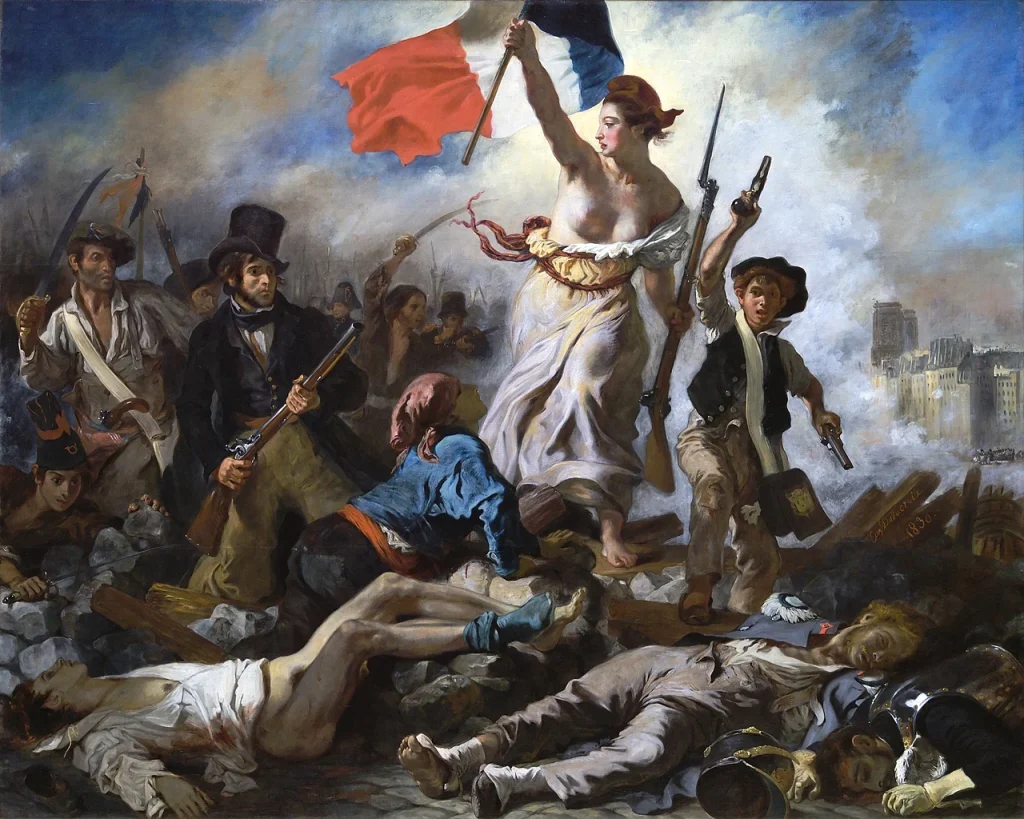
Art has always had something to say about the world around us. Artists have always used their work to reflect the struggles, power structures, and injustices of the world around them. Long before anyone had a microphone and a Marshall stack, painters were challenging authority, documenting wars, and demanding change. Eugène Delacroix’s Liberty Leading the People captured the revolutionary spirit of the 1830 French Revolution, while Pablo Picasso’s Guernica remains one of history’s most famous anti-war works, preserving the horror of civilians being slaughtered in the bombing of the Spanish town. Art has never existed in some lovely little bubble floating above society. It has always been one of the ways people respond when the people in power are doing something horrific.
Music, and heavy metal in particular, comes directly out of that tradition. Heavy music was born from disenfranchisement, frustration, rebellion, and a healthy suspicion of authority. From Black Sabbath’s “War Pigs” taking aim at the people who send others to war, to System of a Down confronting state violence, to Rage Against the Machine tearing into systemic oppression, some of the genre’s most important music has been political from the beginning. Even Metallica’s own discography makes Hetfield’s argument rather awkward. Heavy metal has never been about making uncomfortable truths more palatable. Quite the opposite.
To be clear, James Hetfield and Metallica have every right to stay out of politics on stage. They can stick to performing and sing about meadows, butterflies, or children happily playing in the sunshine if that’s what they want. Although the image of happy children might trigger Metallica’s new biggest fans, Netanyahu and Trump, for more reasons than one. But dismissing other artists’ social convictions as “bullshit” is where the argument falls apart. Musicians are perfectly entitled to say something about the world around them, and expecting them to strip their work of any social conscience completely misses one of the reasons people create art in the first place.
Calling basic human rights “politics” is just a convenient excuse. If an entertainer speaks up for survivors of a devastating earthquake, would James tell them to “keep geology out of entertainment”? If an artist raises awareness about breast cancer, are they pushing “biology” on their audience? Speaking out against genocide or condemning a government agency that is actively murdering human beings is not a partisan “political agenda.” It is basic humanity. And you’d think the man who wrote “One,” “…And Justice for All,” and “Disposable Heroes” would know that.
Cover image attribution: By 4TheWynne – Own work, CC BY-SA 4.0, Source





0 Comments