
Close
by Vanessa K | Apr 27, 2026

Note: OnlyFans has various uses, but this article focuses specifically on the platform and others like it for selling sexual content.
⚠️Contains strong language
“What a fucking stupid question!”
That is the reaction most people have. How can a platform that sells porn and objectifies women be empowering?
A survey by FemMetal reinforces this sentiment. Out of 100 women from all walks of life, including creators, conservatives, and liberals, the response was a landslide. 82 said “No.” 3 said “Yes.” 9 said “It’s complicated,” and 6 did not know. These numbers prove the surface view is clear. OnlyFans looks like a digital storefront for exploitation. While the majority sees a trap, the real debate begins with the nature of the choice itself. Can this platform be a tool for power if a woman enters it with absolute, uncoerced free choice?
To understand the current debate, we must look at the history of pornography. It is necessary to distinguish this from prostitution. While prostitution is a physical act, pornography is the depiction of sex. The two are not the same.
The human interest in sexual imagery is ancient. Beyond the explicit frescoes in Pompeii, historical records show that Roman theaters featured mimes who performed sexual acts for crowds. Even earlier, Paleolithic carvings and Sumerian artifacts depicted the female form in ways that suggest a primal focus on sexual imagery. As technology evolved from stone to the printing press and eventually to film, the objections followed. From early religious bans to modern feminist critiques, the core argument has stayed the same. Does the depiction of sex empower the woman, or does it lead to objectification? This historical tension is the foundation for the discussion today.

OnlyFans is often seen as a modern storefront for these same problems. Critics argue that the platform does not empower women but instead turns them into digital commodities. When a woman’s body is reduced to a monthly subscription fee, she is being objectified. The platform essentially rebrands traditional exploitation for the digital age.
Beyond the optics, there is the issue of survival. Many women enter the platform because they are in financial trouble. If the choice is between selling intimacy and being unable to pay rent, it is not a free choice. It is a survival tactic. This is economic coercion. When a woman is backed into a corner by debt or an eviction notice, the decision to upload content is a desperate response to a broken economy. It is a transaction made under duress. The necessity to survive overrides any real sense of freedom.
There is also the permanent nature of the internet. A digital tattoo can follow a woman for the rest of her life, ruining future jobs or personal safety. For the majority, the financial reward is small, but the personal cost is permanent. The risk is amplified by modern technology. Facial recognition and AI scraping tools mean that a single video can be tracked back to a person for decades. Once content is on the web, it is essentially public property. It can be shared on pirate sites or used by future employers to justify firing or refusing to hire. This loss of privacy is a heavy price to pay for a temporary solution to a financial problem.
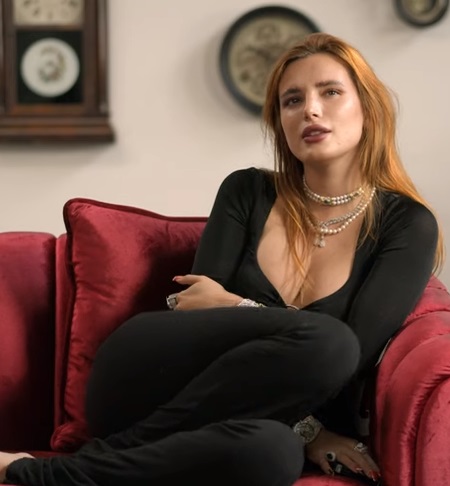
While these concerns are real, they must be weighed against the historical reality of the industry. Pornography is a permanent part of human culture. From ancient Roman theater to modern cinema, the production of sexual imagery has always existed and will continue to persist regardless of any single website. OnlyFans did not invent the industry; it simply shifted the power dynamic for the people working within it.
Compared to the traditional porn industry, the platform offers a much safer and more profitable alternative. In the old system, women were often at the mercy of predatory directors and middlemen who dictated their work and kept most of the earnings. On OnlyFans, those gatekeepers are gone. A woman owns her own content and keeps 80 percent of her revenue. She sets her own boundaries and decides exactly what she will do.
This shift also allows for far more inclusivity. Instead of fitting the narrow beauty standards dictated by studio executives, women of all body types and appearances can find success on their own terms. Moreover, even when a creator chooses to film intimate scenes with others, she has total authority over her collaborators and her environment. There is no director forcing a performance; the woman decides who is in the room and what happens. This moves the power from the studio to the individual, providing a direct path to the money and control over the workspace.
So, is OnlyFans a tool for empowering women?
I’d argue yes, but with a gigantic asterisk. If a woman has total control and makes an unforced choice, the platform is a breakthrough for independence. She bypasses predatory middlemen, keeps her earnings, and sets her own safety boundaries. In this scenario, it is a genuine tool for self-reliance. However, if that choice is forced by the threat of poverty or debt, the platform is just a new tool for exploitation. When survival is the motive, the power belongs to the bills rather than the woman. OnlyFans is not a shortcut to liberation; it is a mirror reflecting the circumstances of the person using it.
What are your thoughts on the subject? Tell us down below.







0 Comments