
Close
by Lucy Harker | Apr 29, 2026
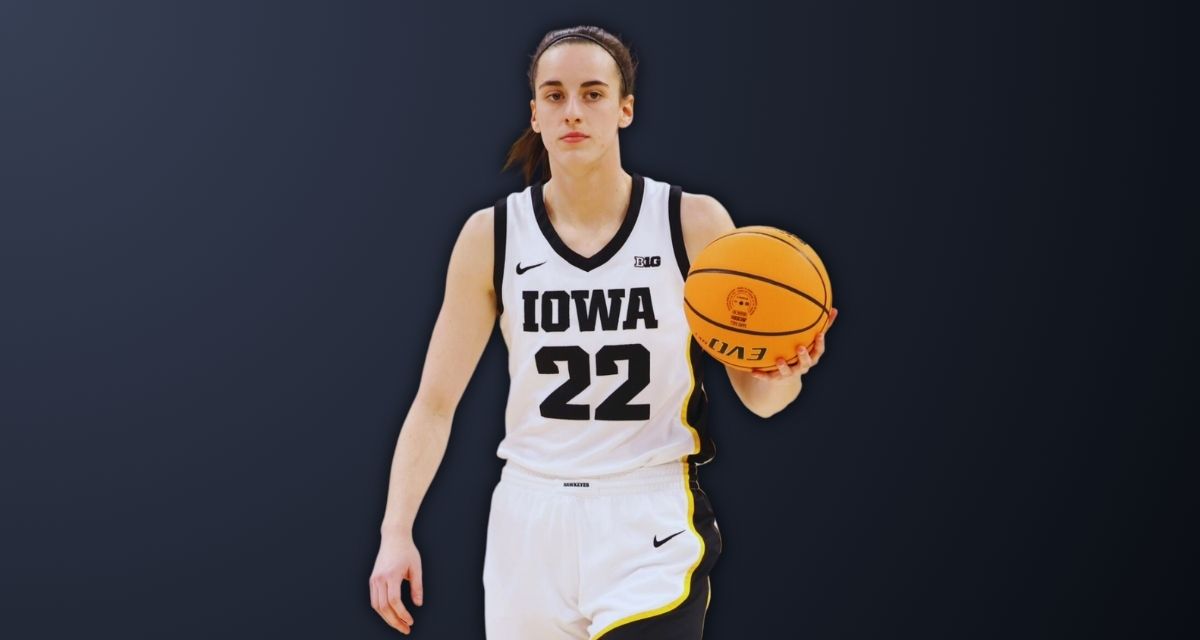
The world of basketball has always been a loud, flashy space, historically reserved for men running back and forth under the bright lights. For a long time, the women’s side of the sport was simply pushed into the dreary background. They played in half-empty gyms with minimal funding, scarce sponsorships, and very little television coverage. The sports industry essentially decided that female athletes weren’t profitable enough to care about, leaving generations of players stuck in an exhausting cycle of being overlooked. It’s depressing to think about how hard they had to push just to get a fraction of the basic respect they deserved.
Caitlin Clark started her college career at Iowa, and her style of play immediately disrupted that quiet obscurity. She consistently hit three-pointers from near the half-court line, pulling the defense out to uncomfortable distances. The crowds started showing up, drawn by her scoring volume and her ability to completely control the pace of the game. Her presence on the court steadily turned those quiet, ignored arenas into sold-out, chaotic venues.
During her senior year, she broke the all-time NCAA scoring record, passing every man and woman who had played before her. This period, which the media endlessly dubbed the “Clark Effect,” forced networks to actually pay attention. Television ratings spiked to numbers the women’s tournament had never experienced. Millions of people who had never watched a women’s basketball game were suddenly tuning in just to see how many points she would drop on any given night.
When she moved to the professional level and joined the Indiana Fever in the WNBA, the pressure was immense. She entered a league full of seasoned veterans, and the physical toll of the transition was heavy. The defense was relentless, and the expectations were suffocating. She just kept playing her game, setting rookie records for assists and scoring, and proving that her massive college viewership numbers would follow her to the pros.
Now, as she continues her career, the landscape of the sport is fundamentally altered. Charter flights, higher ticket sales, and major broadcasting deals are becoming the norm, driven largely by the audience she dragged along with her. She simply did her job on the hardwood, and the entire economic structure of women’s basketball had to adapt to accommodate her.
The lesson to pull from this bleak timeline is that you don’t have to wait for a broken system to formally invite you in. The world will usually try to ignore you and keep you comfortably in the background. Instead of asking for a seat at the table, you can just excel so undeniably that they have no choice but to build a completely new table around you. It’s a gloomy reality that you have to work twice as hard to be seen, but sometimes, you can actually force the lights to turn on.
Featured image: By John Mac – CC BY-SA 2.0 (Edited)


























0 Comments