
Close
by Lucy Harker | Aug 19, 2026
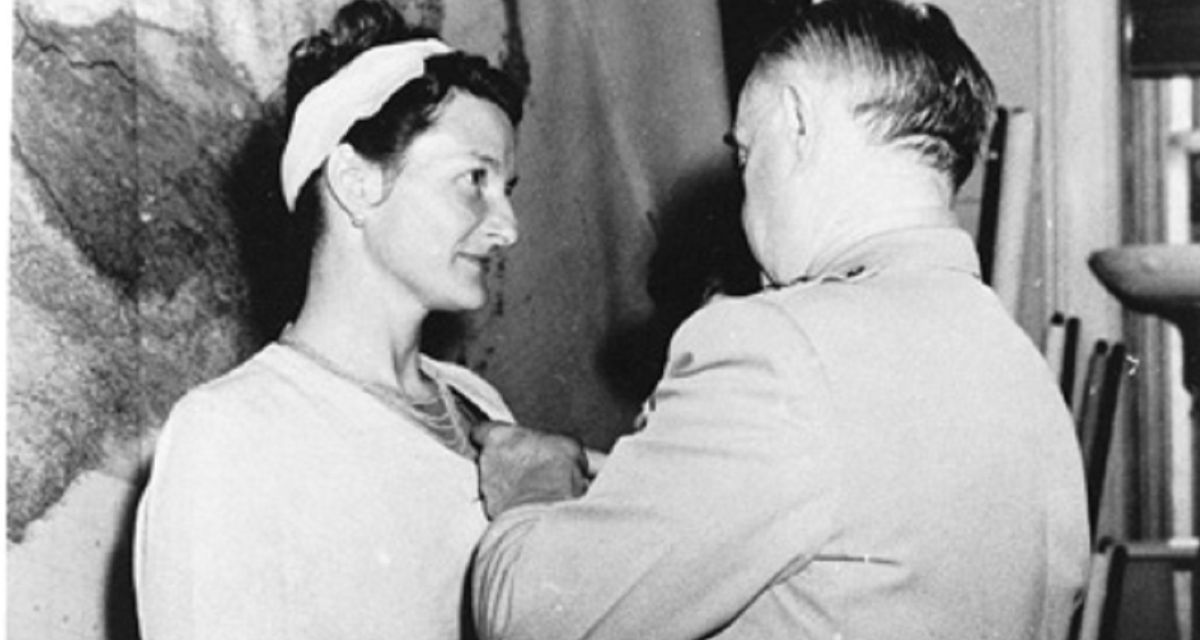
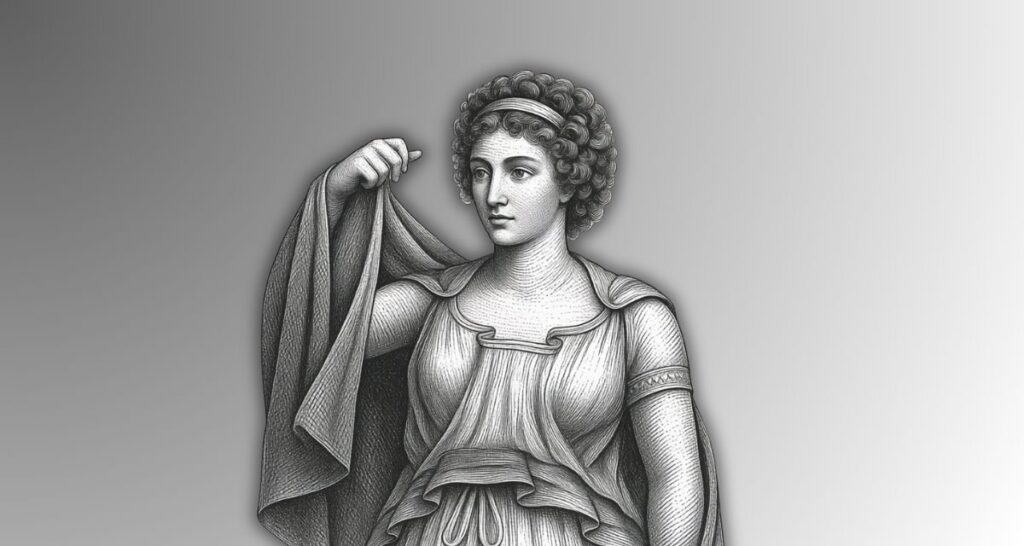
When we talk about heroes, we usually picture people who were given the tools, the support, and the chance to do something great. We like to imagine that the people who change history were somehow meant for it. But some of the most impressive people are the ones who were told no before they even got started. Virginia Hall is one of those people. And the more I learn about her, the harder it becomes for me to understand how anyone could have looked at her and decided she was not capable of doing something extraordinary.
Virginia Hall is the ultimate example of what happens when you refuse to let an institution decide what your limits are.
In the 1930s, Virginia had one goal. She wanted to become a diplomat for the United States. She was brilliant, spoke several languages, and was highly educated. Then, during a trip to Turkey, a hunting accident changed everything. She lost her left leg below the knee and was fitted with a heavy wooden prosthetic. It was difficult, uncomfortable, and probably a constant reminder of what had happened to her. She named it “Cuthbert.” There is something about that little detail that I love. She could have spent the rest of her life thinking of that leg as something that had taken part of her away. Instead, she gave it a name and carried on.
When she applied to the US State Department, they rejected her. They used her missing leg as an excuse and pointed to an old rule, but the truth of the time was hard to ignore. They did not want a woman, and they certainly did not want an amputee, representing them on the world stage. After everything she had studied and everything she wanted to achieve, they told her to settle for a desk job as a clerk. I imagine how painful that must have been. Not because she had failed, but because someone else had decided she was not even worth giving a chance.
Virginia didn’t settle.
When World War II broke out, she did not wait for the government that had rejected her to suddenly change its mind. She crossed the ocean and joined the British Special Operations Executive, a secret organization created by Winston Churchill to carry out espionage and sabotage in Nazi-occupied Europe. There is something almost unbelievable about that choice. She had been told that she was not suitable for the work she wanted, and instead of giving up on it, she found another way to do it.
She was sent into France under the cover of being a reporter. Once she was there, she became an incredible force for the resistance. Virginia organized local networks, coordinated supply drops, set up safe houses, and helped arrange daring escapes for captured Allied soldiers. She became so effective at disrupting German operations that the Gestapo became obsessed with finding her. Klaus Barbie, the infamous Gestapo chief, reportedly said, “I would give anything to get my hands on that limping bitch.” It is a horrible thing to say, but there is something strangely satisfying about knowing that the woman they had dismissed as incapable had become one of the people they feared most.
They considered her the most dangerous Allied spy in all of Europe. They flooded the region with wanted posters describing her, but Virginia kept getting away. She changed her appearance, moved through the shadows, and constantly found ways to stay ahead of the people hunting her. Imagine living like that, knowing that being recognized could cost you your life, and still waking up every day and continuing the work.
When the heat became too intense and her cover was finally blown, she had to flee. In the dead of winter, Virginia escaped France by hiking across the dangerous Pyrenees mountains into Spain. It was a brutal 50-mile journey through freezing snow. Halfway across, she managed to send a message to her command saying that “Cuthbert” was giving her trouble. They had no idea she was talking about her wooden leg, so they replied, “If Cuthbert is troublesome, eliminate him.” I cannot help laughing at that exchange, especially when you remember that she was struggling through the mountains with the very thing people once used as proof that she was not capable.
She survived the mountains, but she still wasn’t done. Instead of going somewhere safe and leaving the war behind, she joined the American Office of Strategic Services, the organization that would later become the CIA, and demanded to be sent back into France. She returned disguised as an elderly peasant woman and continued training resistance fighters, mapping drop zones, and helping fight the Nazi occupation until the war was finally won. At some point, she had already crossed a mountain range to escape the enemy, and somehow her answer was to go back.
Virginia Hall’s story is incredible because she did not just have to fight a war against fascism. She had already spent years fighting the people who told her she was not capable of being part of that war. She was told that her body made her incapable. She was told that being a woman made her unsuitable. She was given every reason to believe that the life she wanted was no longer possible. Instead, she took those rejections, strapped on her wooden leg, and became one of the most formidable weapons of the Second World War. That contrast is what makes her story so powerful to me. They saw something missing. She saw something she could keep moving with.
Her legacy reminds me of how easy it is to believe people when they tell us we are not good enough for something. Sometimes the person saying it has authority, experience, or a title that makes their opinion feel impossible to question. But Virginia Hall had already been told no by people who were supposed to know what they were talking about. They were wrong. Completely wrong. She did not need them to change their minds before she could become who she wanted to be. She simply found another door, walked through it, and showed the world exactly what they had failed to see in her.





















0 Comments