
Close
by Benedetta Baldin | Oct 22, 2026
Mongolian metal icons The HU are past the midpoint of their Warrior Chant tour. Their support act, French Nordic folk group SKÁLD, joined them on October 19th as the two bands took Warsaw by storm in their first show of the tour in the Polish capital.
For those who may not be aware, or may be hearing of The HU for the first time, the band formed in Mongolia’s capital, Ulaanbaatar, in 2016. They have built an international following with their self-described “Hunnu Rock”: a powerful combination of rock and metal, traditional Mongolian instruments, and Khöömei, traditional throat singing. Their work has earned them Mongolia’s Order of Chinggis Khaan, the country’s highest state honor, and UNESCO named them an Artist for Peace.
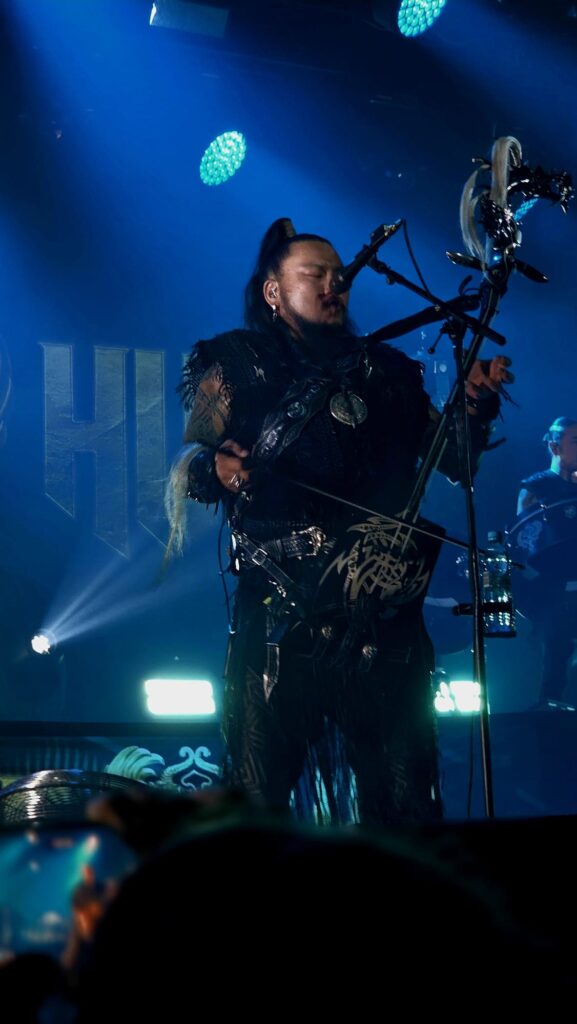
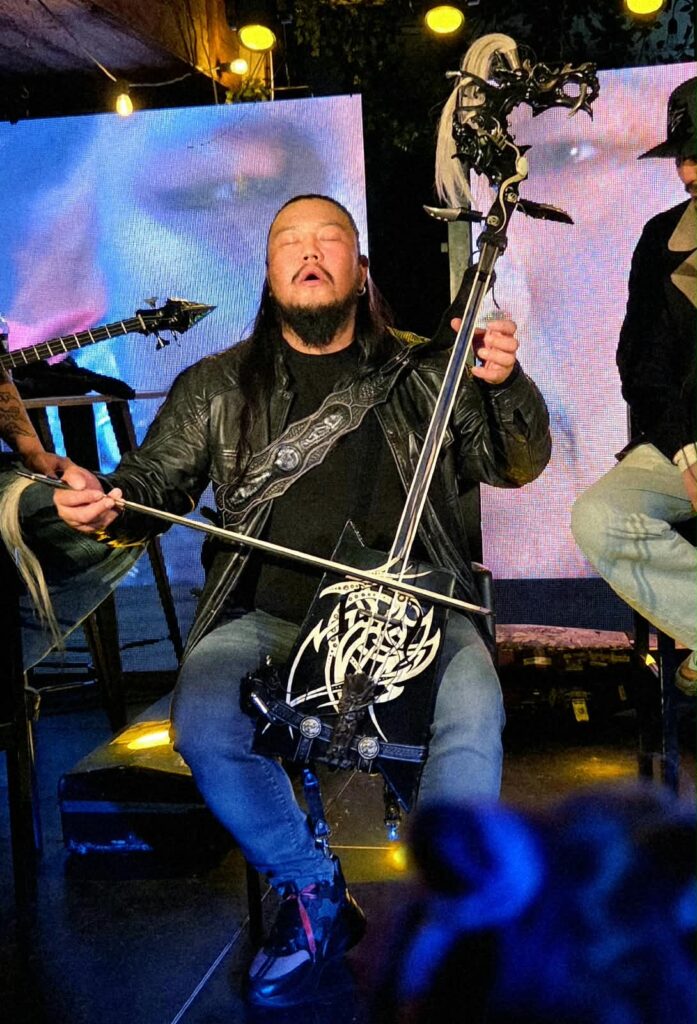
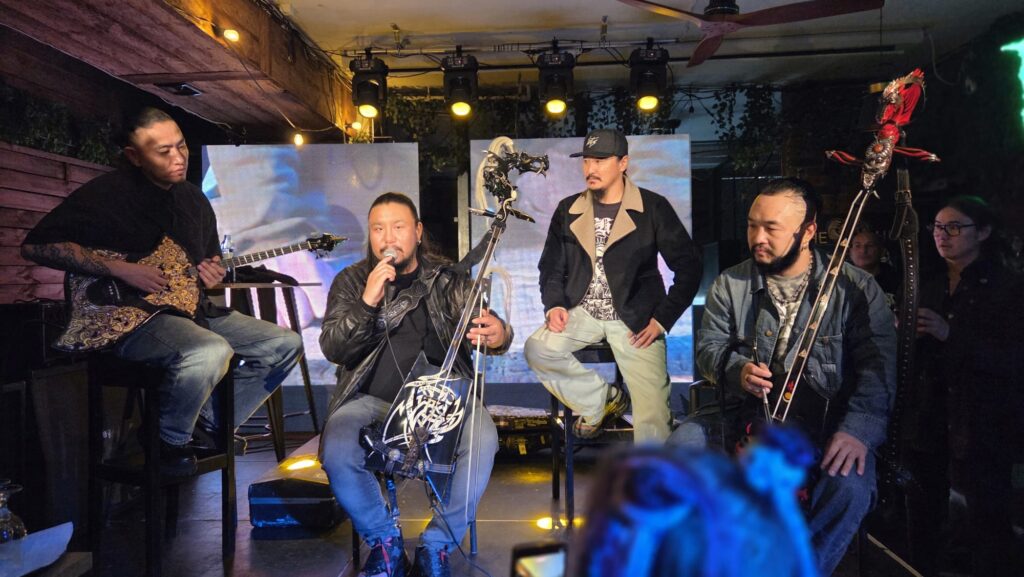
Well before the band took to the stage at Klub Stodoła, fans of The HU had the rare opportunity to catch a short acoustic set and attend a meet-and-greet at Beer & Bones, a craft beer and mead bar in the heart of Warsaw’s city center. Despite the early Monday afternoon start time, fans began filling the pub from 2pm, arriving in such numbers that the venue was soon at capacity, with the queue still snaking out the door. When the band stepped up to the small podium stage, they opened with an acoustic set with only three instruments, featuring members Gala and Enkush on the morin khuur, commonly known as the horse-head fiddle, a traditional Mongolian bowed string instrument and symbol of the country’s culture, while Temka took to the tovshuur, a traditional two- or three-stringed plucked lute.
Being so close to the artists in such an intimate setting, and hearing them play traditional Mongolian instruments alongside the band’s signature throat singing, was nothing less than extraordinary, leaving many fans, particularly those experiencing The HU for the first time, completely in awe. Afterwards, fans were invited up one by one to get something signed and snap a photo with the band.
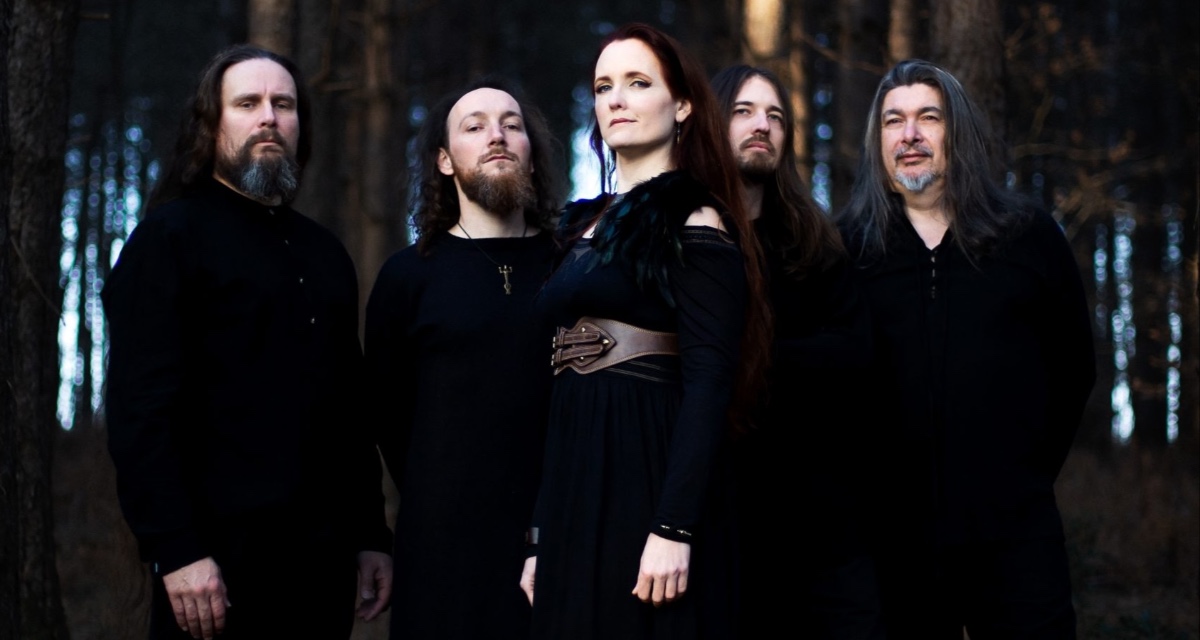
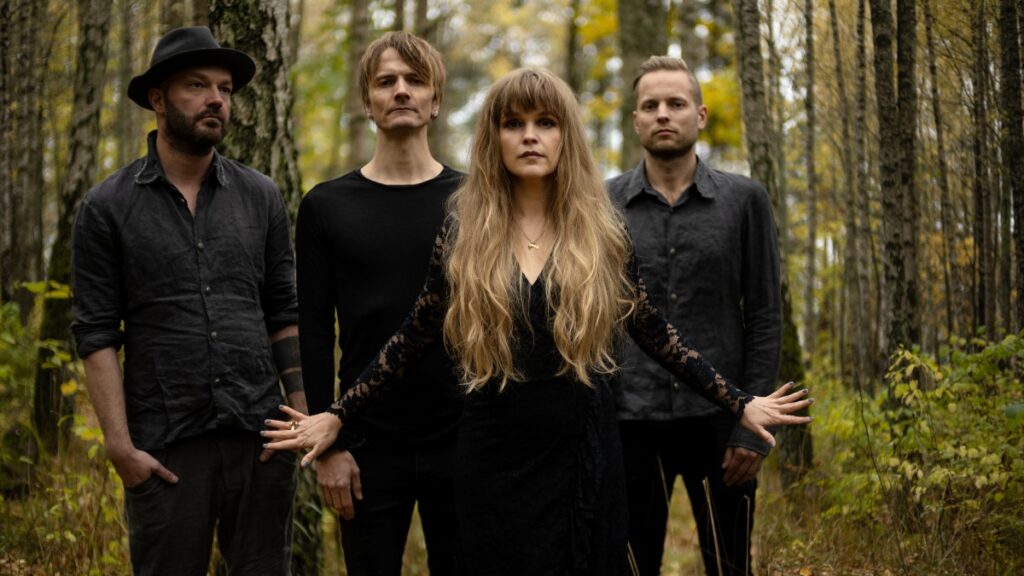
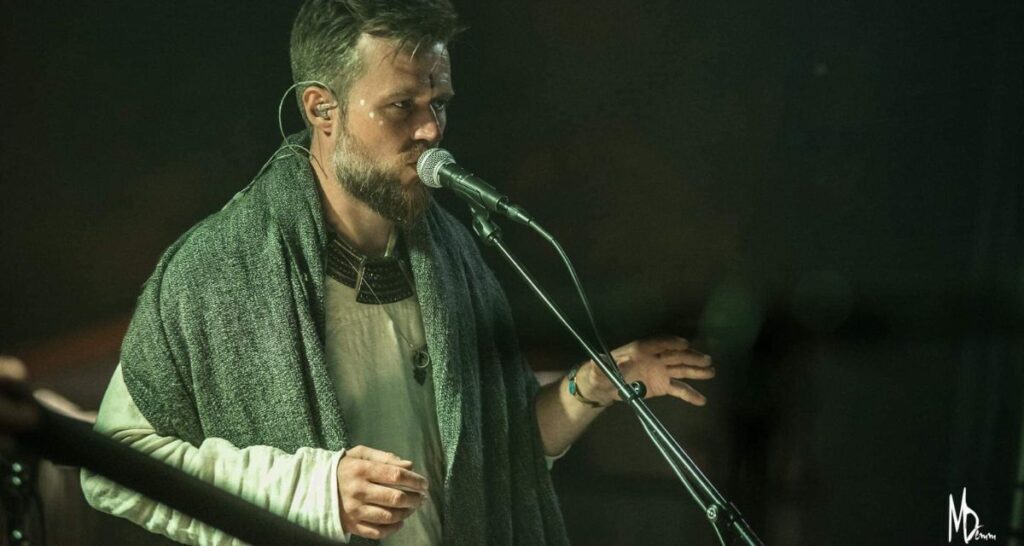
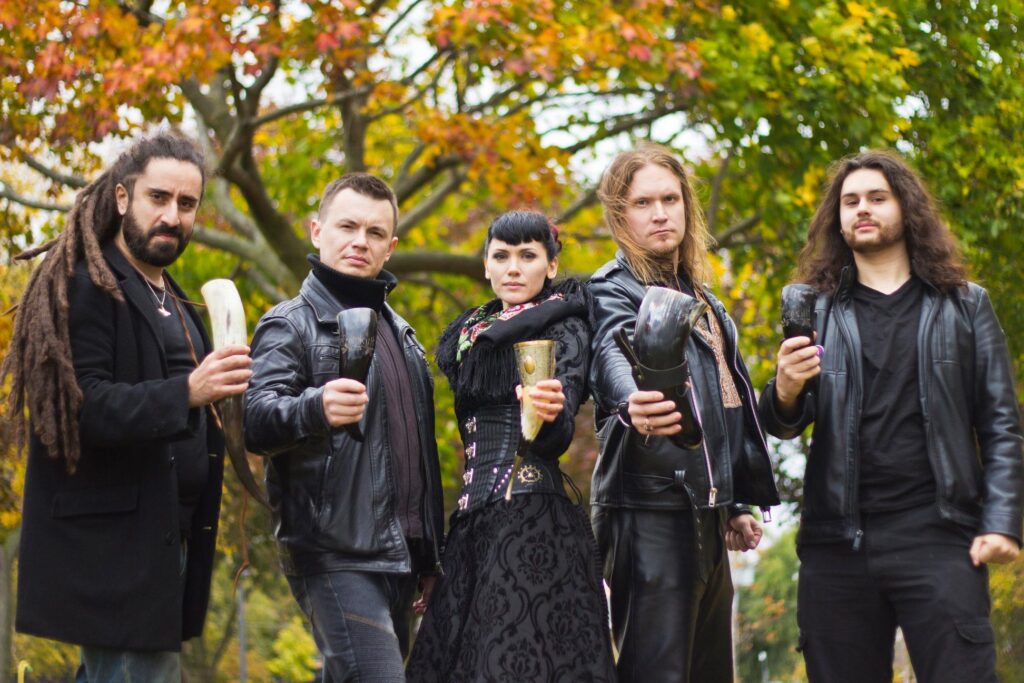
Now, let’s jump ahead a few hours to Klub Stodoła, one of Warsaw’s more popular concert venues, where the room was filling up for the sold-out show, the first of two the band played in the Polish capital. SKÁLD, a French folk group whose sound is rooted in Norse mythology and skaldic poetry, opened the show. In their current lineup, the quintet — Christophe Voisin-Boisvinet, Steeve Petit, Marie Potosniak, Marti Ilmar Uibo, and Guillaume Levy — craft an atmosphere built on chant-like harmonies, steady hand percussion, and acoustic sounds drawn from lyres, Nordic fiddles, harps, horns, and whistles.
In the queue and among the crowd, I heard many people say it was not only their first time seeing SKÁLD live, but their first time hearing of the band at all, which made the response to their set all the more striking. From the opening songs, SKÁLD drew the room into their world: chant-like vocals and folk instrumentation merged with atmospheric lighting and drifting incense, giving Stodoła a ritual-like feel and making it easy to imagine being transported to an ancient Norse setting. “Myrkviðr,” “Ó Valhalla,” and “Yggdrasill” were among the songs that created that spell.
As the set progressed, curiosity gave way to sincere enthusiasm. The crowd grew increasingly responsive, and by the final song SKÁLD had won over a room that, for some of them, had arrived without knowing a single note of their music. Even the band’s return trips onstage to collect their gear were met with fresh waves of cheers, applause, and chants of their name. By the time the stage was set for the main act of the night, the crowd was warmed up and ready for what was still to come.
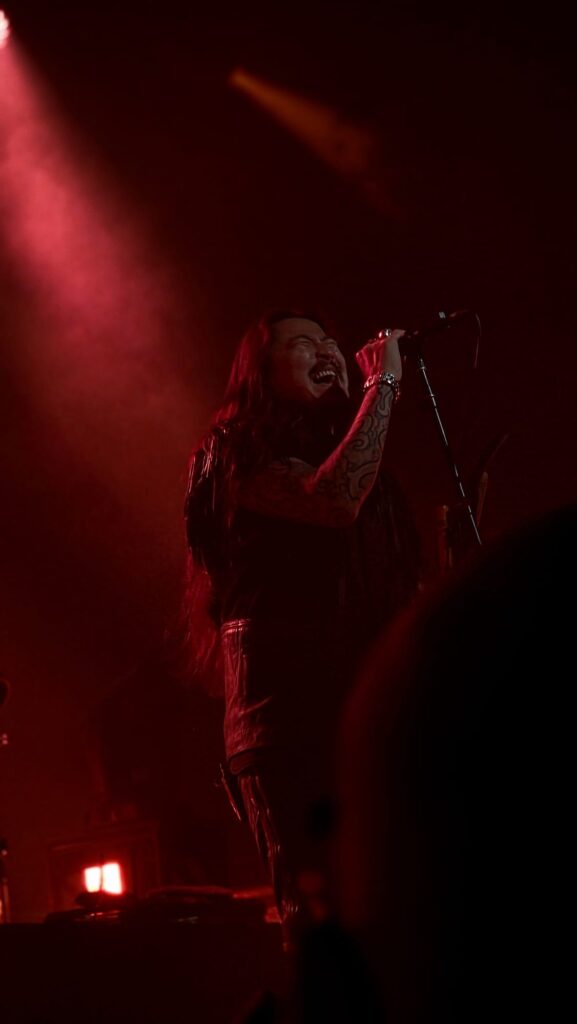
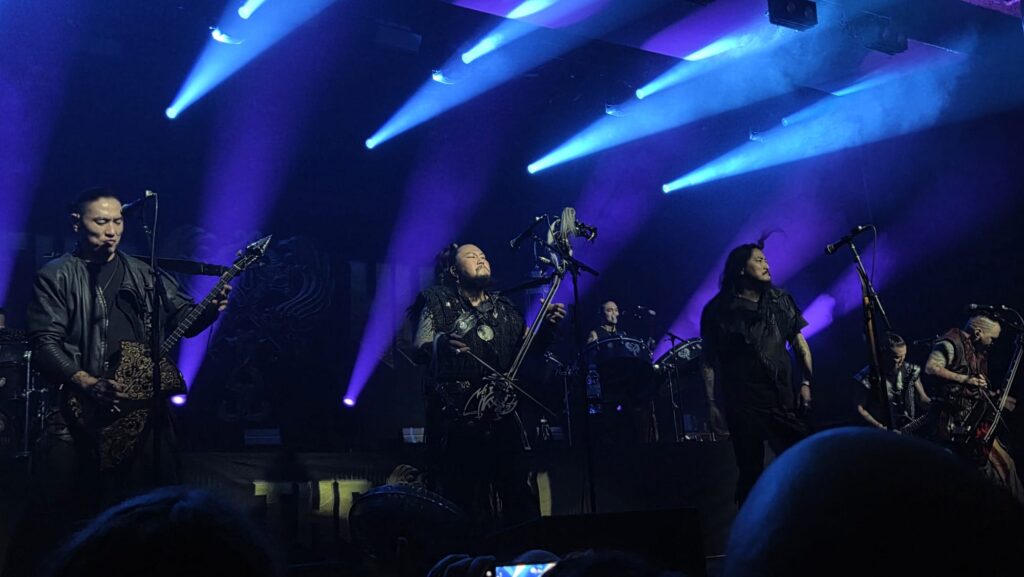
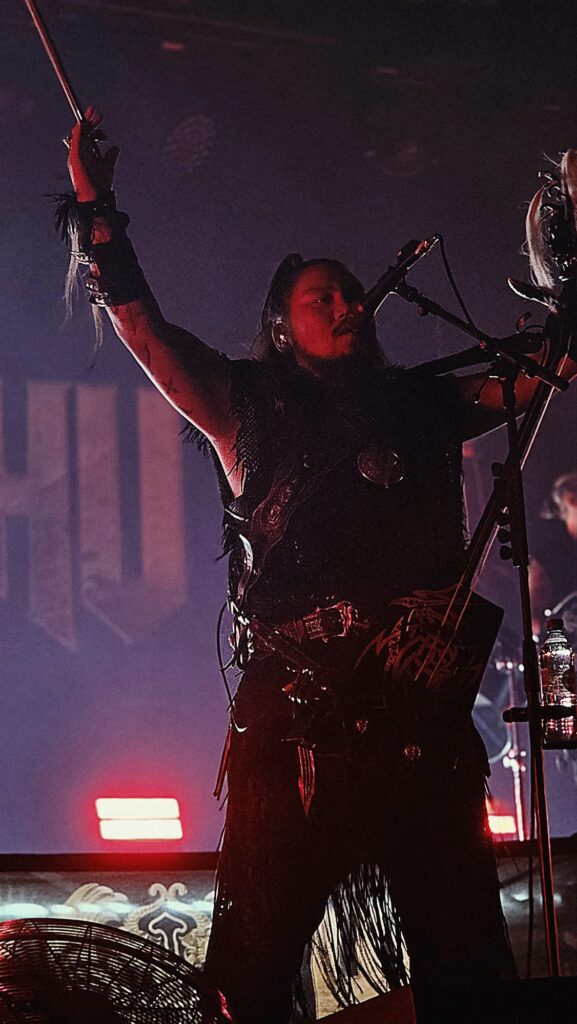
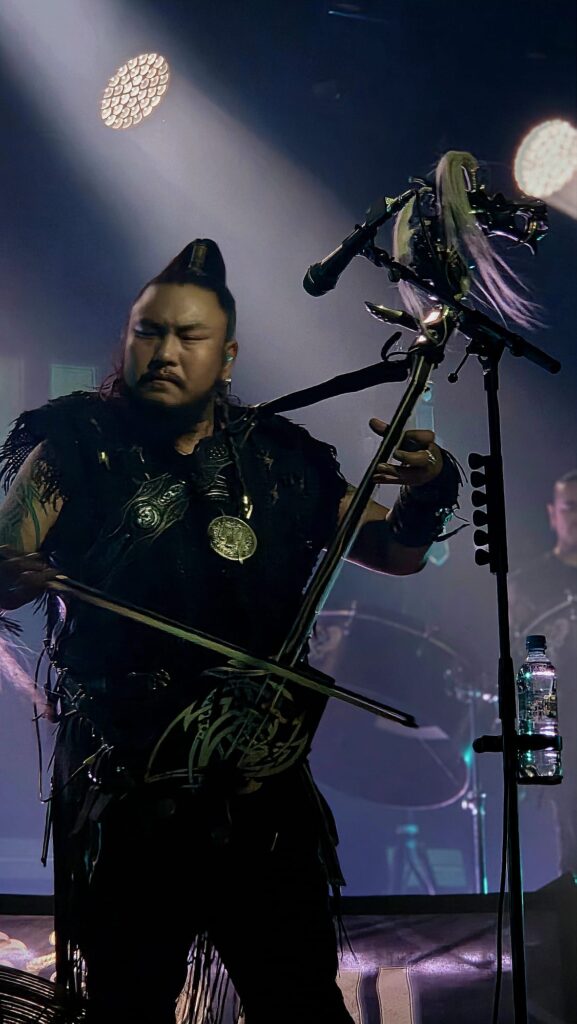
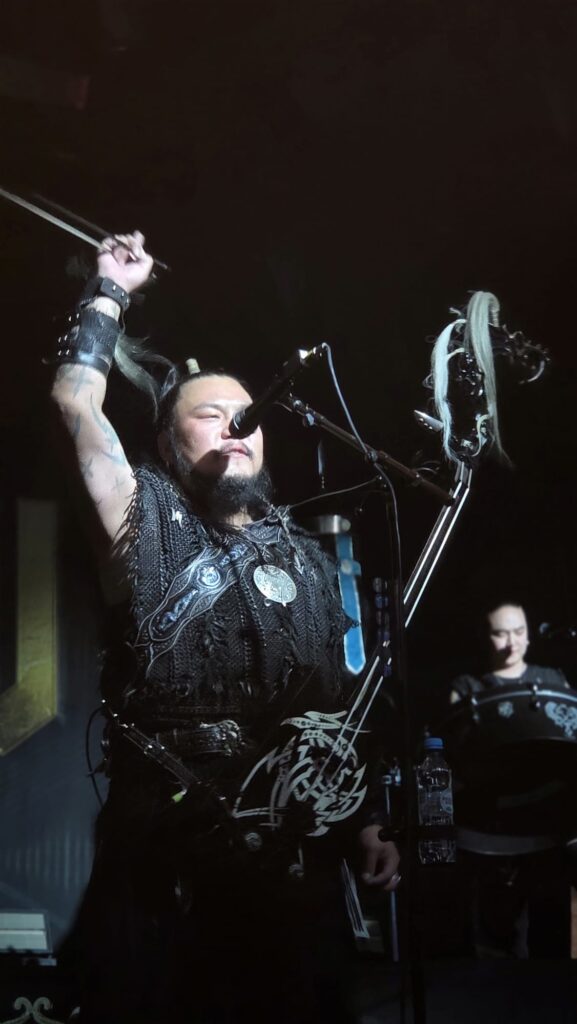
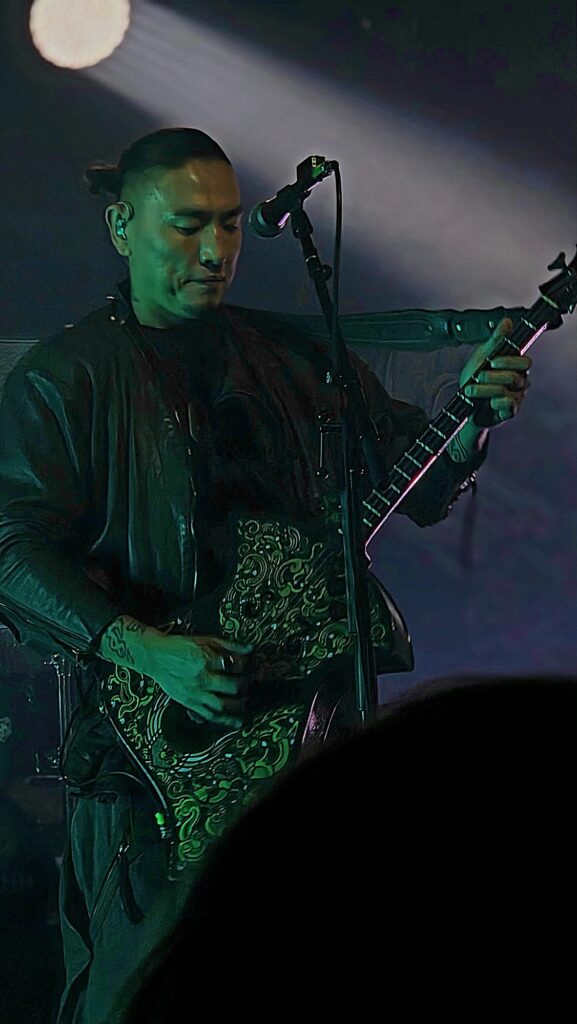
Fans didn’t have to wait long. The lights dimmed again, and the intro music for The HU‘s set began — in an instant, the room shifted from the ancient Norse world to the vast Mongolian steppe. The band kicked off a 15-song set, opening with “Lost Soul” and “Horse Men”, the set drew heavily from their third album, “HUN”, released on July 24, 2026. Other songs on the setlist included “The Men”, “Shadow”, “Warrior Chant”, and “Echoes of My Father”, alongside older fan favorites like “Yuve Yuve Yu” and “Wolf Totem”. The latter was definitely a highlight for yours truly, as it was the song that first introduced me to the band, and finally seeing them live was a highlight of the night. The mix of songs included in the set list gave the set a sense of both a new chapter and a celebration of the songs that first brought The HU to a wider, international audience.
After “The Real You,” the band brought out a big inflatable statue of a Mongolian warrior, adding a memorable visual component to an already imposing performance. The audience matched the scale of the moment: during the concert, fans were often chanting the band’s name and sang along at points to some of the band’s more popular songs. Even when the lyrics were in Mongolian, the response crossed any language barrier, further highlighting music’s ability to connect people without requiring them to share a language.
The band closed their main set with “This Is Mongol”, before leaving the stage only to return for a one-song encore: their cover of Iron Maiden’s “The Trooper”. It was a fitting final burst of momentum, sending the crowd out on a familiar heavy-metal charge filtered through The HU’s distinctive sound.











0 Comments