
Close
by Lucy Harker | Jun 24, 2026
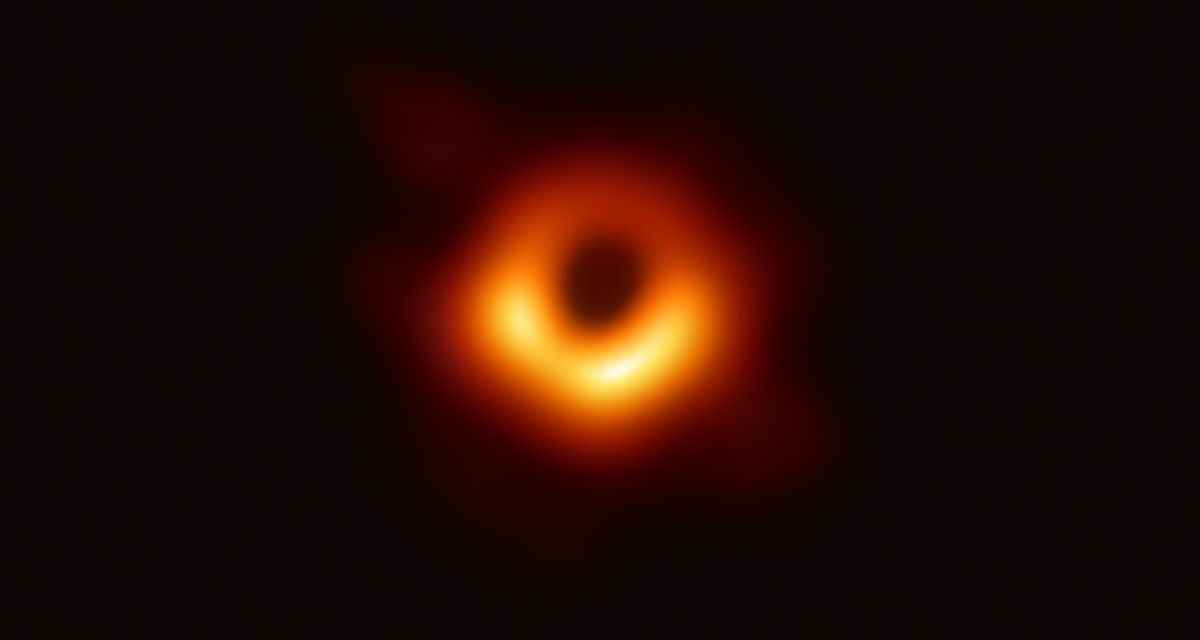
For over a century, black holes were nothing but ghosts in the math. Ever since Einstein first theorized them, these massive cosmic voids that swallow light itself were considered entirely impossible to actually see. Imagine trying to photograph a single grain of sand on the moon while staring through a thick, heavy fog, and that is the exact level of impossible the scientific world was dealing with. But when humanity finally stared into the absolute abyss and got a picture back, it was a brilliant computer scientist named Katie Bouman who took charge of the code that made the invisible visible.
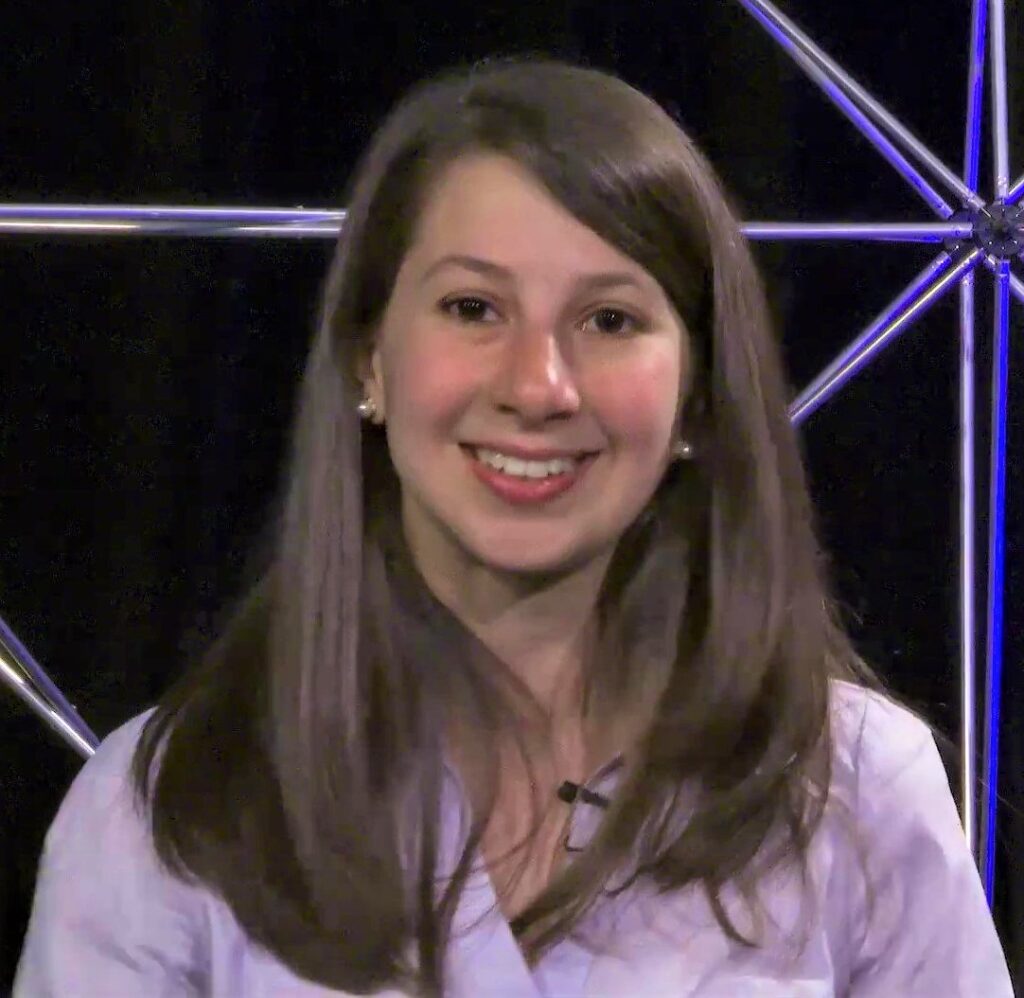
Katie wasn’t even a traditional astronomer when she started; she was a computer science graduate student at MIT. She stepped into a room full of seasoned astrophysicists, a heavily male-dominated space, and brought a completely different perspective. While others were focused on the physical limits of telescopes, Katie realized the answer was buried in the math. She started working on algorithms (the set of mathematical instructions that tell a computer what to do) to piece together a cosmic puzzle that didn’t even have all of its pieces. She didn’t let the fact that she was the “outsider” in the room stop her; instead, she used her unique background as her greatest weapon.
She joined the Event Horizon Telescope project, a massive global effort linking satellite dishes across the world to create one giant, Earth-sized super-telescope. But the data they gathered from space was messy, fragmented, and full of static. Katie led the development of the software that acted like a translator. In simple terms, she wrote the code that took millions of gigabytes of messy cosmic noise and taught the computer how to stitch it into a clear picture. She spent years obsessively testing it, making sure human bias didn’t accidentally paint a picture of what they wanted to see rather than the raw truth of what was actually there.
In 2019, the entire world stopped to look at a glowing, fiery orange ring around a dark center: the supermassive black hole at the heart of the M87 galaxy. Right alongside that historic, haunting image was a photo of Katie, hands clasped over her face, glowing with pure, uncontained emotion as the picture finally rendered on her laptop screen. She became the face of a scientific revolution overnight, instantly proving to every girl watching that women belong at the absolute bleeding edge of discovery.
She did not stop at that one viral moment, nor did she let the sudden internet fame or the critics who tried to diminish her role drag her down. Katie leveled up, becoming a professor at Caltech and continuing to push the boundaries of computational imaging [using computer algorithms to pull images out of hard-to-read data]. Just a few years later in 2022, she was a key player yet again when her team successfully released the very first image of Sagittarius A*, the massive black hole sitting right in the center of our own Milky Way galaxy.
What Katie actually proves is that you don’t always need to have the traditional background to completely change the game. Whether you’re navigating a heavily gatekept scene, fighting for your voice to be heard in a crowded room, or just trying to piece together the messy fragments of your own life, the solution isn’t always about forcing things to work the old way. It’s about writing your own code, trusting your unique perspective, and knowing that even in the darkest, most impossible voids, you have the power to find the light.

























0 Comments