
Close
by Lucy Harker | Jul 15, 2026
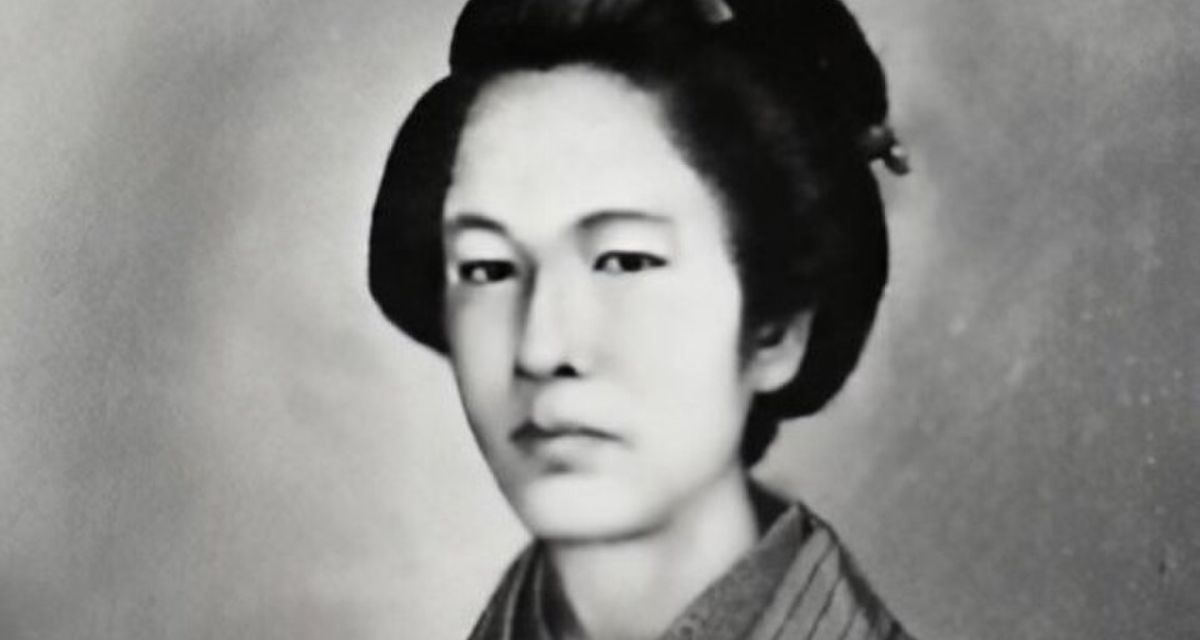
They built the war before they built a place for her in it. There was already a script waiting in nineteenth-century Japan. Every role had already been assigned before a battle ever began. Men inherited the battlefield. Women inherited everything the battlefield left behind: the blood to wash away, the wounds to close, the empty bowls to fill. History had already decided which hands were allowed to carry a weapon, and which were only allowed to carry the cost.
When war came, the rules became law. Women were expected to forge ammunition, prepare rations, and tend to the wounded. They were explicitly forbidden from entering the battlefield. Stay out of the war room. Stay off the front lines. Be useful, but never be remembered.
Then, in 1868, Japan began tearing itself apart. The Boshin War erupted into a civil war between the ruling Tokugawa shogunate and imperial forces seeking to restore political power to Emperor Meiji. As the conflict spread across the country, it reached the samurai domain of Aizu, where imperial troops laid siege to one of the last great strongholds of the old order.
The military’s response never changed: The men would defend Aizu, while women would wait.
Nakano Takeko read the script. Then she tore it apart.
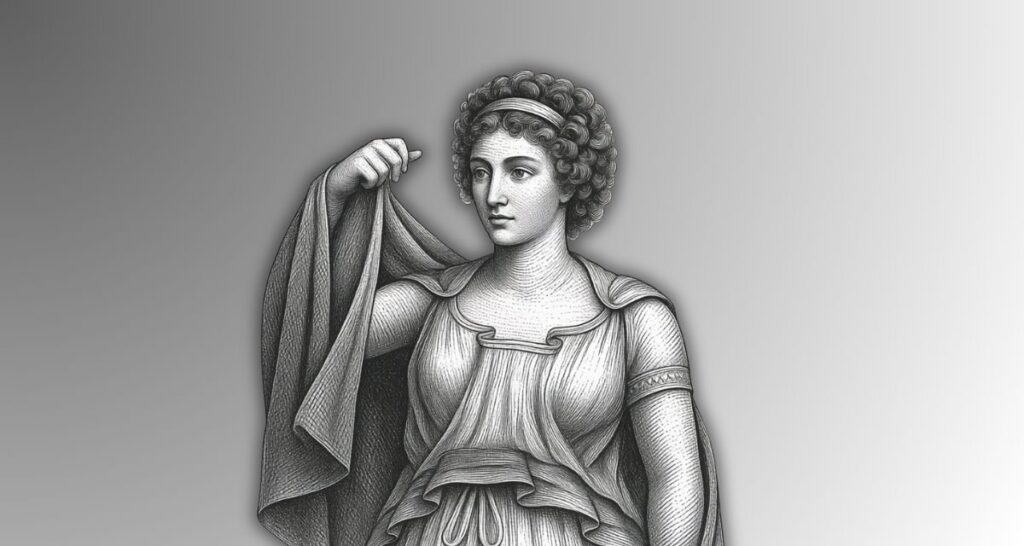
Takeko was highly educated and exceptionally skilled with the naginata, the traditional Japanese polearm she had spent years mastering. She taught martial arts and possessed every quality expected of a samurai warrior. The only thing she lacked was permission.
She formally asked the military commanders to let her fight alongside the men defending Aizu. They refused. They answered with silence dressed up as law. “Stay behind. Wait. Be useful, but never be remembered.”
She accepted their answer only long enough to realize it changed nothing. So she stopped knocking on doors that were built to stay locked. If the establishment refused to give her a place in its ranks, she would build her own.
She gathered around twenty to thirty women, many already trained in combat, including her own mother and sister. Together they cut their hair short, dressed in men’s military clothing, armed themselves with naginatas and swords, and formed an independent fighting unit. They belonged to no official regiment. They answered to no commander. They simply walked past a chain of command that had already decided they didn’t belong. No orders. No blessing. Just conviction louder than protocol.
The imperial army waiting outside Aizu carried modern rifles. Against them stood warriors armed largely with traditional weapons, fighting a battle that history itself was beginning to leave behind.
Takeko didn’t wait for history to be kind. She led her unit in a direct charge against the enemy’s gun lines. When the imperial soldiers realized they were being attacked by an all-female force, disbelief spread faster than gunfire. Their commander reportedly ordered his men to hold their fire. Not because they were merciful, but because reality had betrayed every certainty they had ever been handed.
For one impossible moment, the world stopped making sense. Takeko didn’t waste that moment. She turned their disbelief into a weapon and drove straight through it, cutting down multiple soldiers in close-quarters combat before they could recover. Sometimes the sharpest blade isn’t steel. It’s becoming something your enemy never prepared themselves to face.
The rifle found her before the war let her finish speaking. A bullet struck her in the chest. She knew the wound would be fatal. Under samurai tradition, the head of a fallen warrior was often taken as a trophy of war, a symbol of victory and a public declaration of defeat. Even dying, Takeko refused to let the enemy write the final sentence of her story. She called for her sister. With what little time remained, she ordered her to cut off her head and bury it beneath a nearby tree before the imperial soldiers could claim it. If her story had to end, it would end in her own handwriting. The enemy could take her life, but would never take ownership of it.
Nakano Takeko died during the Battle of Aizu in 1868, but the army she created became one of the most enduring symbols of courage and defiance in Japanese history. She had been denied a place within the military establishment, yet history remembers her not because she obeyed its rules, but because she refused to let those rules define the limits of her courage.
Maybe that’s what courage really looks like. Not winning every battle. Not surviving every wound. Just refusing to let the people who underestimated you become the authors of your life.
Every generation builds its own script. It decides who belongs in the room where decisions are made and who is expected to support them from a distance. It gives those boundaries respectable names: tradition, protocol, experience. It asks the people outside them to wait patiently until someone else decides they’re ready. But doors that were never built for you rarely open because you knocked politely. Sometimes the only way into history is to stop asking for permission, gather the people who believe in the same impossible thing you do, and let your footsteps become the permission they refused to give.





















0 Comments