
Close
by Lucy Harker | Jun 10, 2026
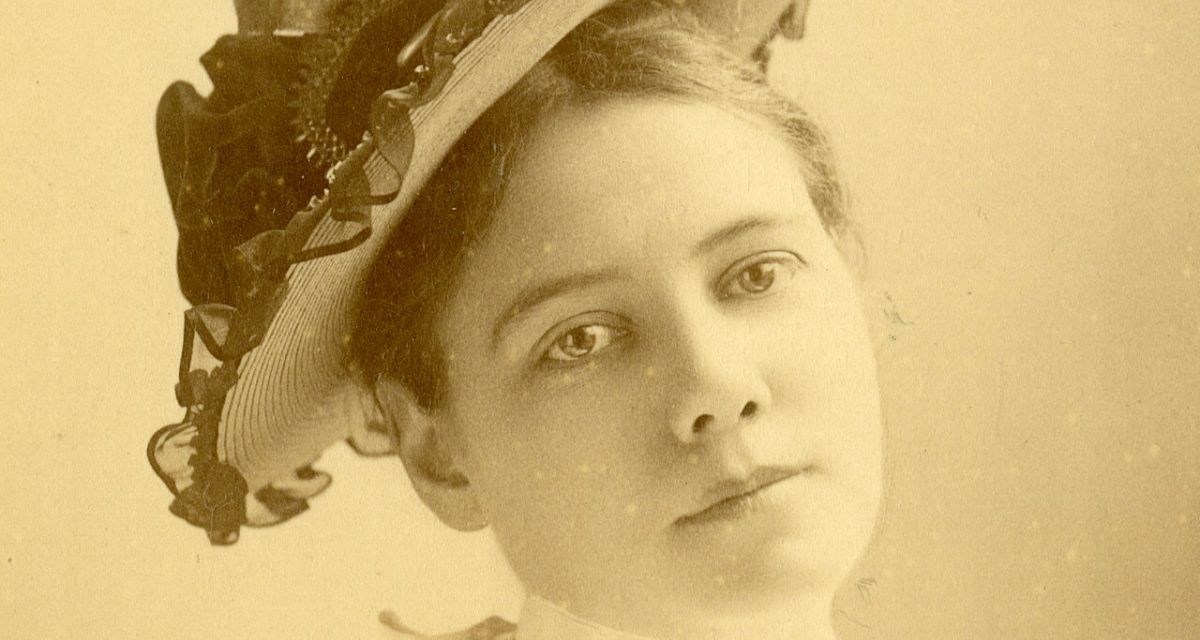
Real investigative journalism requires crossing lines most people run away from. It means stepping into hostile territory, risking actual danger, and ripping the polite covers off institutional rot. Long before hidden cameras or digital whistleblowers made it easy, getting the real story meant you had to live it. Nellie Bly understood exactly how far a writer had to go, stepping directly into the dark and dragging the truth out into the light.
When the New York World wanted to expose the horrific rumors surrounding the Women’s Lunatic Asylum on Blackwell’s Island in 1887, interviewing former patients simply was not going to cut it. Bly knew the only way to get undeniable proof was from the inside. She practiced a vacant stare in front of a mirror, checked into a boarding house under a fake name, and pulled off a performance so convincing that a judge legally declared her insane. The truly chilling part happened once the heavy doors locked behind her. She dropped the act completely, yet speaking calmly and rationally only made the doctors absolutely certain she was a dangerous lunatic.
Those ten days trapped inside exposed an absolute nightmare. Bly witnessed women forced to sit in rigid silence for hours on end, gagging down spoiled food, and enduring freezing ice baths while restrained by cruel nurses. The moment her editors finally arranged her release, she unleashed Ten Days in a Madhouse, a blistering, multipart investigative newspaper series that was later compiled into a book, on the world. The public reaction was explosive. Her raw, unapologetic writing triggered a massive grand jury investigation, got the abusive staff fired, and forced New York City to cough up one million dollars to completely overhaul its mental health care system.
Taking down a corrupt asylum was just the warmup. After reading Jules Verne’s famous novel, she confidently pitched her editors an outrageous idea: she was going to travel around the entire globe and beat the fictional 80-day record. Armed with nothing but a single sturdy travel bag, she boarded a steamship in November 1889 and never looked back. Racing by train, rickshaw, and burro through massive storms and frustrating delays, she kept dispatching thrilling updates to an obsessed public back in New York. She smashed the record, clocking in at 72 days, six hours, and 11 minutes, proving exactly what an independent woman could accomplish on the world stage.
You might assume that after conquering all of that, she would finally settle down and take it easy. Instead, Nellie Bly had a few more massive side quests to complete. Following her marriage to millionaire Robert Seaman, his failing health suddenly put her at the helm of the enormous Iron Clad Manufacturing Co. She seamlessly transformed into an industrialist and inventor, securing several U.S. patents, including a brilliant new design for a steel milk can. Moreover, she ran her factories with a fierce dedication to her workers, setting up onsite libraries, healthcare benefits, and fitness centers decades before corporate wellness was even a concept.
Nellie Bly still commands our attention today because she utterly refused to play by the rules dictated by her gender. While male editors constantly tried to herd female reporters into writing polite society columns and gardening tips, she brushed them off and demanded the grittiest, most dangerous stories available. Her entire career mirrors the modern struggles for workplace equality and institutional accountability we are still fighting today. If there is one enduring lesson to take from her legacy, it is this: when the system tries to shut you out or confine you to a neat little box, you kick the door down and rewrite the rules yourself.























0 Comments